I spent more than two decades inside the United Methodist Church’s General Conference, the global gathering held every four years where the denomination makes its most consequential decisions. I started in 1988 in a technical role, managing video services, close enough to the machinery to understand how it worked. Over the next several conferences, I […]
Categories
A Den of Thieves
I haven’t written here in a while. Life has been full, the Substack has kept me busy, and honestly, this old blog started to feel like a room I’d stopped going into. But something happened in the news yesterday that sent me straight to the keyboard, and it didn’t belong anywhere else. So here I […]
Categories
Arab Hospitality
From Red Brocade by Naomi Ship Nye The Arabs used to say,When a stranger appears at your door,feed him for three daysbefore asking who he is,where he’s come from,where he’s headed.That way, he’ll have the strengthenough to answer.Or, by then you’ll besuch good friendsyou don’t care. In my tradition of Christianity, this understanding of hospitality is found […]
Categories
Small Kindnesses
This morning I’m reading a poem by Danusha Lameris titled Small Kindnesses. The poem begins with a list of the small things that people do or say to one another in the course of the day, things like saying “bless you” when you sneeze or for the waitress to call you “honey” when she brings […]
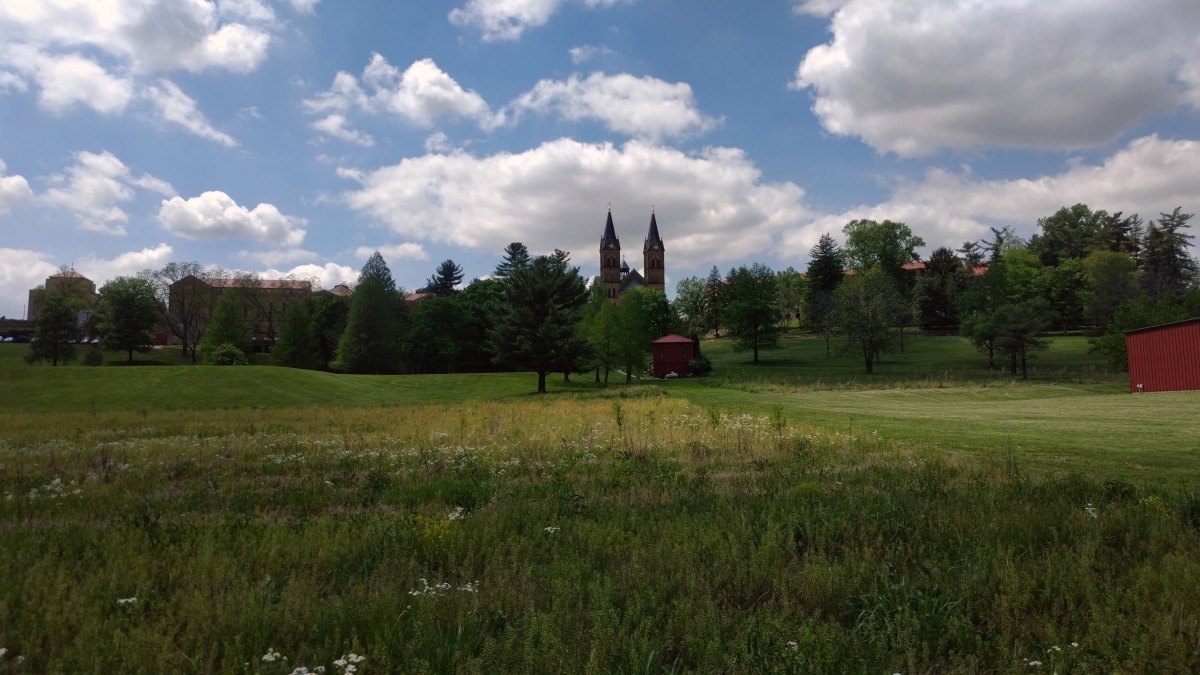
The winds are blowing through the Indiana hills. Like the winds blow, Holy Spirit blow through my heart. Blow out the trash and scars that build up like dead leaves in the fall, wet and cold, and laying there with no purpose. The Indiana wind is no gentle breeze, but full-throated gusts, pushing me sideways […]
Categories
A Prayer for Love
Lord,fill me with your love — a love that is radical, exquisite, long-suffering, patient, honest, true, magnificent, overpowering, empowering, able to leap small buildings in a single bound, sacrificial, better than sliced bread, and too wonderful for words. Fill me with your love, so that I can better love those who you have brought into […]
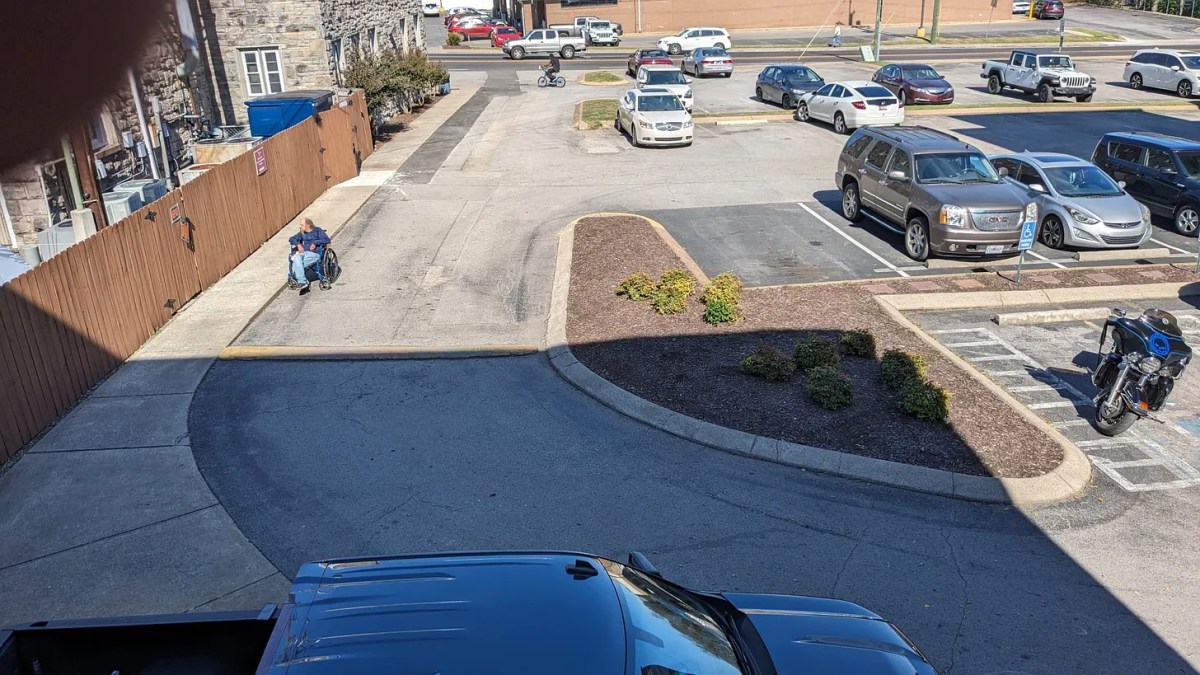
This morning, while I was driving to work, I got a text from one of the guys at our Showers of Blessing Homeless Resource Center: We have a man who made it into the quiet room with assistance from others. I am not sure if he will be able to leave on his own. Someone […]
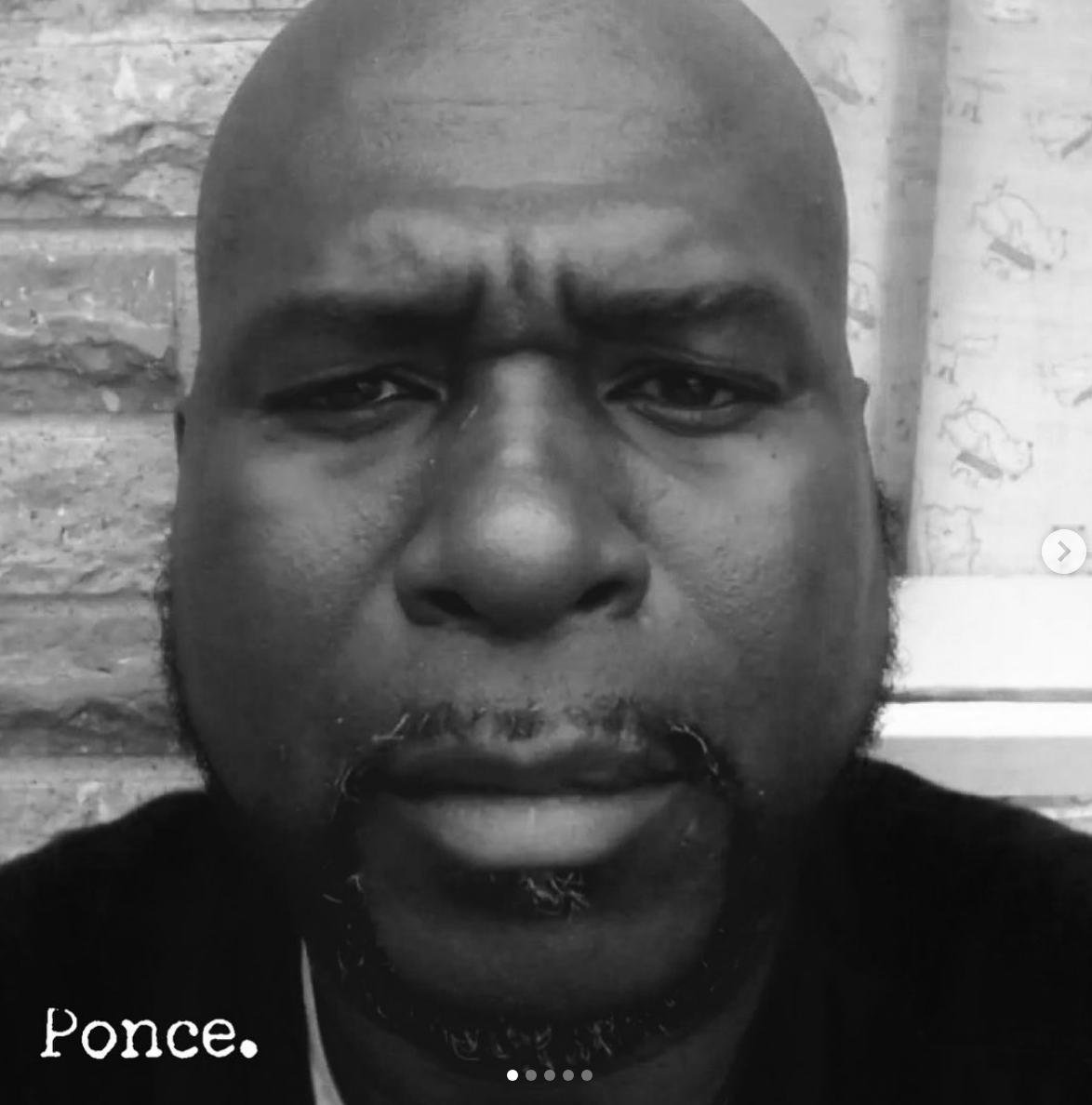
Today, I was wandering through the parking lot when I saw a Crown Vic pull into the parking lot. I knew the car immediately. It was Big Mama, a woman I met through Ponce, one of our former residents in the Housing Navigation Center. There was a point in time when Big Mama was discouraged […]

Yesterday, as I was driving home from a quick visit to Missouri, my phone began buzzing as news reports came in about another school shooting in Uvalde, Texas. The story was far too familiar — a young man entered the school with a semi-automatic rifle and took the life of (as of today) 18 children […]

Senate Bill 1610 was written to make homeless camping on ALL public property a felony offense. It is likely that if passed this bill will be challenged in the courts as the Supreme Court has previously ruled that being homeless is not a crime. Here is my testimony before the TN Senate Judiciary Committee: Thank […]

It’s a familiar story. Persons without homes in Nashville try to figure out a safe space to stay while they figure out a means to move into stable housing. While the existing sheltering system is available for some, there are others who can’t work within that system. Some of these folks are in couples (who […]
Dear Mayor Cooper, I want to begin by thanking you for the work that you and other city leaders are trying to do to balance the pressure between keeping the people of Nashville safe from the COVID outbreak, and the call to keep businesses open so that our citizens are fully employed and able to […]
A couple of days ago, I got a message from my friend Joseph. “Have you signed the petition on permitless carry?” he asked me. I had no clue what he was talking about. Now I will fully admit that gun control laws are not at the top of my priority list for advocacy. While I […]
6/2/2020 TO: Mayor John Cooper and the Members of the Metro Council Dear friends, Like many of us, I have been watching the financial situation of our Metro Nashville government closely in the glare of reports regarding our inability to fund essential services. As I’ve known for several years, our city was spending funds that […]
Last night, we saw the president of the United States stroll across a public park after having both police and military use tear gas and rubber bullets to clear that park of peaceful protestors. There was a curfew at 7 p.m. and it’s likely that many in the crowd would have left on their own, […]
Categories
What’s Up With Da Masks?

As we all know, one of the requirements for opening up society is that all should be wearing masks — not as personal protection for ourselves but rather to protect others from our germs. And, this past Sunday my sermon was about my own love/hate relationship with the mask that I’ve been wearing, but that […]
Categories
Morning in Missouri
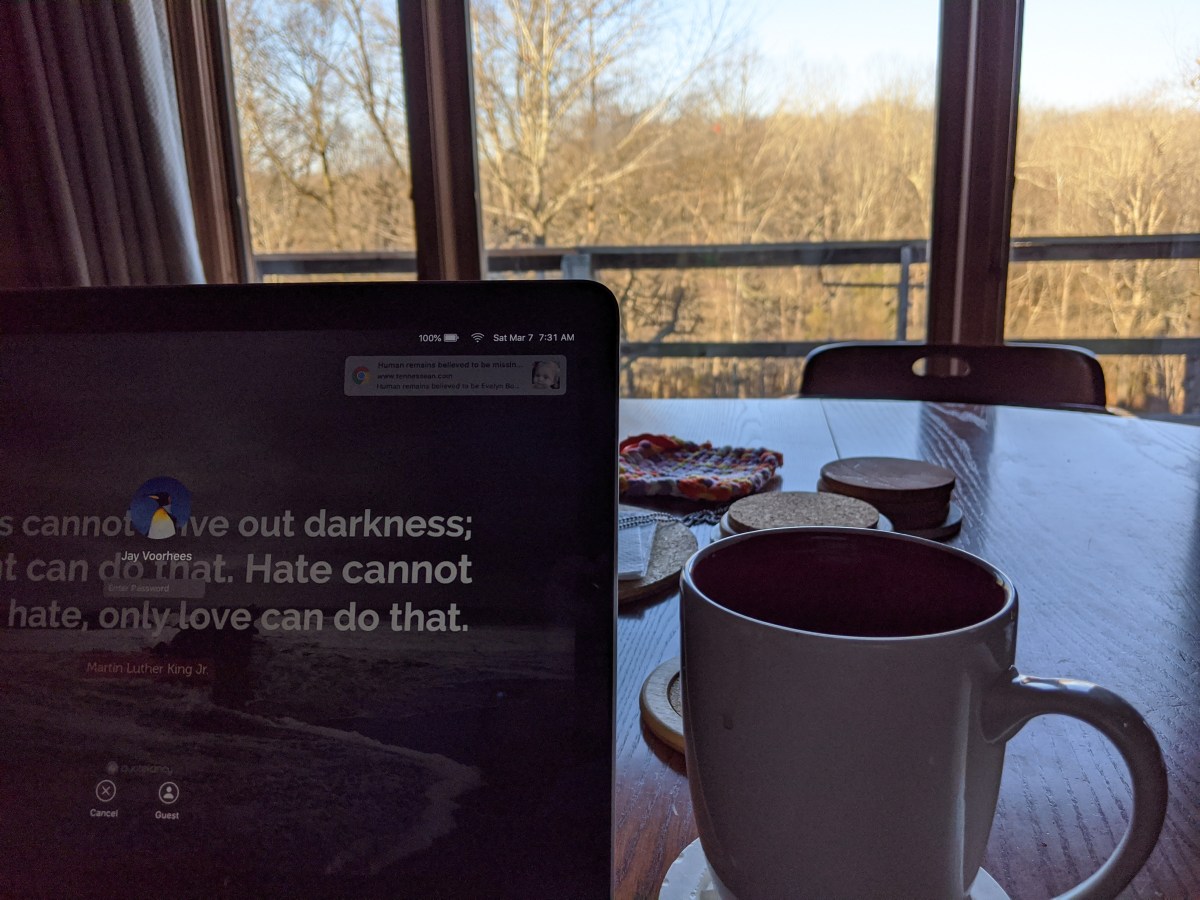
The birds and the deer flit and glidethrough the picture window of my morning. As the steam rises from the cup,and the songs of praise resound in my ears,the cardinals and wrens race from tree to feederoffering their own songs of praise for the glory of the morning. The deer, calm and serene, graze along […]
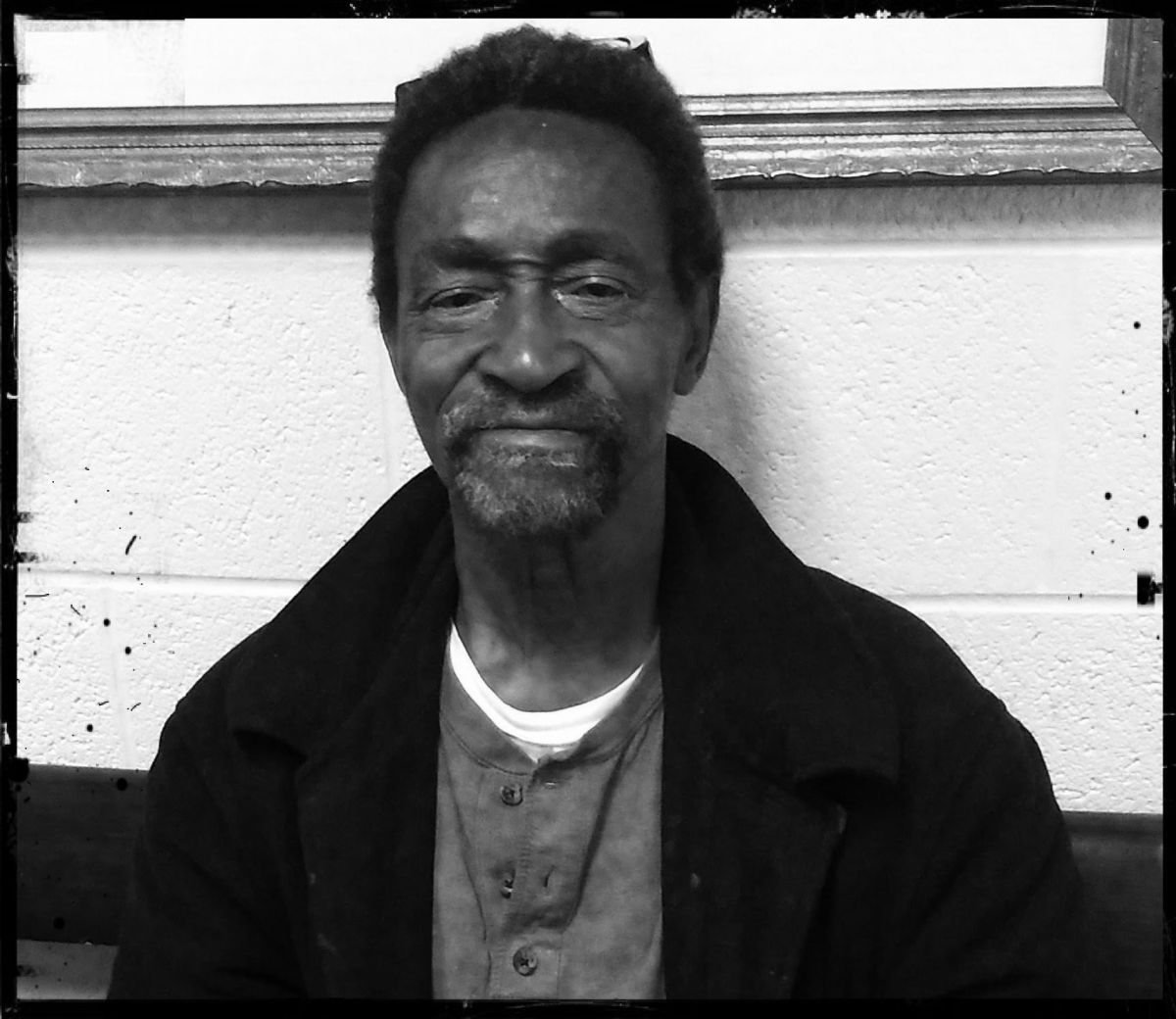
I first met Willie not long after I started working here in Madison. The volunteer receptionist said there was a man at the door who seemed to be in bad shape. I went into the lobby where we meet with folks in need to find a man who was standing behind a walker, barely holding […]

I was asked to offer the opening prayer for the March 25, 2019 gathering of the Tennessee General Assembly by Representative Bill Beck, who represents the district where both my home and church are located. Gracious God, Creator of all things, whose steadfast love is everlasting, we gather tonight as a people […]

I know that everyone’s focus is on the Hooey in St. Louey this weekend, but honestly, for most of us, the day to day demands of ministry in the local church easily push those concerns to the back of our minds. Yes, there are big theological and political issues worthy of consideration, but for the […]

